Source food grade light calcium carbonate for plastics, food, and paper
Compare 30 listings of food grade light calcium carbonate from verified Chinese suppliers. Buyers can evaluate purity levels, packaging options, and grade standards for industrial and agricultural applications.
Key considerations
Products List




Comprehensive Sourcing Guide
Strategic Sourcing Guide for Food Grade Light Calcium Carbonate
Understanding Product Specifications and Material Identity
When sourcing food grade light calcium carbonate, buyers must first establish a precise understanding of the material's fundamental identity and technical attributes. The core substance is chemically identified by the molecular formula CaCO3, which corresponds to the systematic name for calcium carbonate. In the context of industrial and food applications, this material is often categorized under the broader classification of precipitated calcium carbonate (PCC). The molecular principal chain is defined as an element organic polymer, indicating its specific chemical structure suitable for various processing requirements.
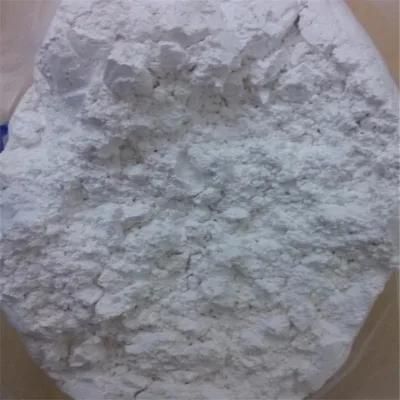
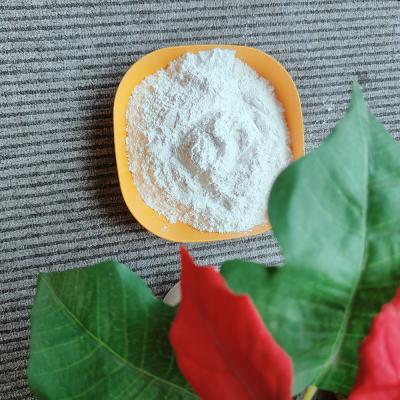
Visually, the product is characterized by a white powder appearance with a whiteness index typically ranging between 85 and 90. This high degree of whiteness is a critical quality indicator for food applications where aesthetic purity is paramount. The physical form is generally described as a particle source, and the material is classified as a non-metal mineral. A key physical property to verify is solubility; high-quality light calcium carbonate is insoluble in water, a trait that distinguishes it from other soluble calcium salts and ensures stability in dry food formulations.
The purity of the product is a primary specification variable. Market observations indicate purity levels can range from 90% to 99%, with specific high-grade batches often falling between 97% and 98%. Buyers should note that the content of active substances is generally required to be greater than 90%. While the supplied data mentions a specific model number (20241126-Jane-01) and other identifiers like HS-PCC and HS-NCC, these serve as internal tracking references rather than universal industry standards. The grade standard is explicitly listed as Agriculture Grade, Food Grade, and Industrial Grade, confirming that the material is available in formulations specifically certified for human consumption.
Compliance, Certification, and Regulatory Verification
For food grade applications, regulatory compliance is not merely a recommendation but a mandatory requirement. The sourcing process must prioritize suppliers who can provide verifiable documentation of their quality management systems. The most common certifications observed in the supply chain for this product include ISO and RoHS compliance. Additionally, a Certificate of Analysis (COA) is frequently cited as a necessary document to verify batch-specific purity and composition.
Buyers must verify that the supplier's certification covers the specific "Food Grade" designation. While the data lists "Industrial Grade" and "Agriculture Grade" as available standards, the procurement of food-grade material requires explicit confirmation that the production line adheres to food safety protocols. The presence of RoHS certification suggests compliance with restrictions on hazardous substances, which is beneficial but does not automatically equate to food safety certification. Therefore, the COA becomes the primary evidence of compliance, detailing the absence of heavy metals and other contaminants.
The product origin is consistently noted as China, with specific export destinations including Vietnam, Malaysia, and Canada. This geographic data helps buyers understand the supply chain logistics and potential trade barriers. When evaluating compliance, the buyer should cross-reference the supplier's ISO certification scope to ensure it explicitly covers food-grade manufacturing processes. The absence of a specific certification name in the general data implies that buyers must request the specific certificate number and validity date for each batch, rather than relying on a generic claim.
Cost Drivers and Pricing Dynamics
The pricing structure for food grade light calcium carbonate is influenced by several variables, including purity levels, packaging specifications, and order volume. The observed price range in the market spans from $0.31 to $1080 per unit, a wide variance that reflects differences in product grade, packaging type, and order quantity. The minimum order quantity (MOQ) is equally variable, ranging from 1 unit to 1000 units, indicating flexibility for both small-scale trials and large industrial contracts.
A significant cost driver is the packaging material. The data indicates that products are supplied in bags, with specific variations including paper bags, plastic bags, and water-proof bags. The standard packaging weight is typically 25 kg, with some specifications noting a net weight of 25 ± 0.25 kg. The choice of packaging directly impacts the unit cost; water-proof bags offer superior protection against moisture, which is critical for maintaining the shelf life of the product, but may incur a higher material cost compared to standard paper bags.
The shelf life of the product is stated as greater than 12 months when stored correctly. This longevity reduces the risk of inventory obsolescence but requires proper storage conditions to maintain. The storage method is specified as "Normal," while the storage type is defined as "Cool & Dry." Adherence to these storage conditions is essential to prevent clumping or degradation, which could otherwise lead to quality disputes and additional costs. Buyers should factor in the potential for price fluctuations based on raw material costs for calcium carbonate and the energy costs associated with the precipitation process used to create light calcium carbonate.
Typical Applications and Functional Performance
The primary application of food grade light calcium carbonate is within the chemical and food engineering sectors. The material is utilized as a functional additive to improve the wear resistance of products, although in food applications, this often translates to improving texture, bulk density, or flowability. The usage is broadly categorized under chemical industry products and chemical engineering, highlighting its role as a fundamental ingredient in various formulations.
In food processing, the material serves as a source of calcium, a vital nutrient. The nutrient composition is listed as amino acid in the provided data, which may refer to the presence of calcium in specific protein-bound forms or simply the categorization of the nutrient profile. However, the primary function remains the provision of calcium ions. The effect of the product is to improve wear resistance, which in an industrial context might refer to the durability of the final product or the machinery used in processing.
The versatility of the product is further demonstrated by its availability in different model numbers such as HX-SP100 and HX-SP200, suggesting variations in particle size or surface treatment tailored to specific application needs. Whether used in baking powders, dietary supplements, or as a food processing aid, the consistency of the white powder appearance and the high purity ensure that the additive does not alter the color or flavor profile of the final food product. The application extends beyond simple fortification to include functional roles in stabilizing emulsions or acting as a filler in confectionery.
Supplier Evaluation and Quality Control Protocols
Evaluating a supplier for food grade light calcium carbonate requires a rigorous assessment of their production capabilities and quality control systems. The customization of the product is available, allowing buyers to request specific particle sizes or surface treatments. However, this customization capability must be backed by a robust quality assurance framework. Buyers should verify the supplier's ability to maintain the specified purity levels of 97%-98% or 90%-99% consistently across batches.
Quality control protocols should include regular testing for the content of active substances, ensuring it remains above the 90% threshold. The solubility test for water insolubility is another critical check to confirm the material's identity. The packaging material, whether paper or plastic, must be inspected for integrity to prevent contamination during transit. The storage method, defined as "Normal" with a requirement for "Cool & Dry" conditions, must be strictly enforced by the supplier to preserve the product's shelf life of over 12 months.
When comparing suppliers, buyers should look for those who provide detailed COAs for every shipment. The presence of certifications like ISO and RoHS is a positive indicator, but the specific scope of these certifications must be verified. The supplier's ability to export to countries like Vietnam, Malaysia, and Canada suggests an experience with international logistics and compliance standards. Buyers should also assess the supplier's responsiveness to customization requests and their ability to maintain consistent lead times, as the observed MOQ range of 1-1000 indicates they cater to diverse order sizes.
Long-Term Procurement and Supply Chain Stability
Sourcing food grade light calcium carbonate is a long-term commitment that requires strategic planning to ensure supply chain stability. The product origin is consistently China, which offers a competitive advantage in terms of cost and availability but may introduce logistical complexities regarding shipping and customs. The export destinations of Vietnam, Malaysia, and Canada suggest that the supply chain is well-established and capable of handling international trade requirements.
Buyers should consider the variability in packaging standards, such as the 25KG standard versus the 25 ± 0.25kg specification, when planning their inventory and storage. Consistency in packaging weight is crucial for automated filling lines and accurate cost accounting. The shelf life of over 12 months provides a buffer for inventory management, but the "Cool & Dry" storage requirement necessitates investment in appropriate warehousing facilities.
To mitigate risks, buyers should diversify their supplier base and maintain open communication regarding production schedules and potential disruptions. The availability of customization allows for adaptation to changing market demands, but it also requires clear specifications to avoid misunderstandings. By focusing on suppliers with verified certifications, consistent quality control, and a track record of successful exports, buyers can secure a reliable supply of high-quality food grade light calcium carbonate that meets their operational and regulatory needs.
FAQs
What is the purity level of food grade light calcium carbonate?
The purity level typically ranges from 90% to 99%, with specific high-grade batches often falling between 97% and 98%. Buyers should verify that the content of active substances remains greater than 90% for optimal quality.
Which certifications are required for food grade calcium carbonate?
Suppliers must provide ISO and RoHS compliance along with a Certificate of Analysis (COA) to verify batch-specific purity. While industrial and agriculture grades exist, explicit confirmation of food safety protocols is mandatory for consumption.
How is the product packaged and what is the standard weight?
The product is supplied in bags made of paper, plastic, or water-proof materials with a standard weight of 25 kg. Some specifications note a net weight of 25 ± 0.25 kg to ensure consistency for automated filling lines.
Can the product be customized for specific application needs?
Yes, customization is available to request specific particle sizes or surface treatments tailored to different application needs. Buyers should ensure the supplier maintains consistent quality control while implementing these custom specifications.
Where is the product manufactured and what is the shelf life?
The product originates from China and has a shelf life exceeding 12 months when stored correctly. It must be kept in cool and dry conditions to prevent clumping or degradation during storage and transport.
What are the main applications of this chemical product?
The primary applications include chemical engineering, food processing, and improving wear resistance in various industrial products. It serves as a vital calcium source and functional additive in formulations like baking powders and dietary supplements.